Cutting Out the Middleman: How Rural Makers Are Turning Homegrown Products Into Real Businesses
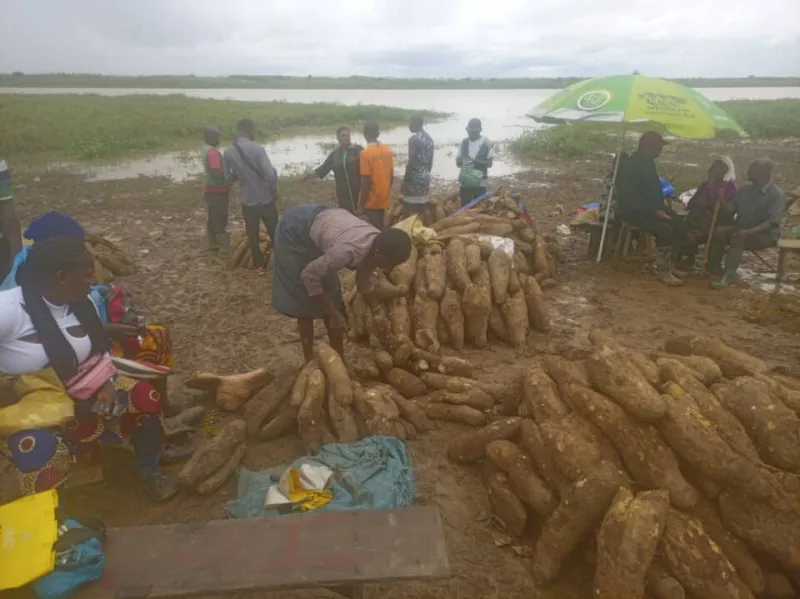
Photo: Vivian Amalachukwu, CC BY 4.0, via Wikimedia Commons
The Shortest Distance Between a Farm and a Customer Is a Good Story
For decades, the path from a rural producer to the end consumer ran through a maze of distributors, brokers, and big-box buyers. Margins got squeezed at every turn, and the farmer at the start of that chain often ended up with the smallest slice of the pie. But something has shifted. A growing number of rural entrepreneurs are waking up to the fact that their story—the land, the craft, the heritage—is actually their most valuable product. And they're using social media, e-commerce tools, and good old-fashioned farmers' markets to tell it directly to people who are hungry for exactly that.
This isn't just a trend for hobby farmers with an Etsy shop. We're talking about real, scalable businesses built from scratch in small towns and rural counties all over the country. Here are a few of the people making it happen.
Sarah and Dale Hutchins, Chevre & Cheddar Farmers — Ozark Highlands, Missouri
Sarah Hutchins never planned to become a cheesemaker. She and her husband Dale ran a small goat operation outside of Ava, Missouri, mostly selling kids to other farms and keeping a few animals for personal use. Then, during the pandemic, their wholesale buyer dried up overnight.
"We had 40 does in milk and nowhere to send it," Sarah says. "So I started making cheese in my kitchen and posting pictures on Facebook. Within two weeks, I had more orders than I could fill."
Today, Ozark Chèvre ships aged and fresh goat cheeses to customers in 22 states through their own website, which they built on Shopify for under $200. They also maintain a waitlist for their seasonal cheese CSA—a subscription box that goes out eight times a year. Their Instagram account, which Sarah runs herself between morning milkings, has grown to nearly 14,000 followers.
The key, she says, wasn't the product alone. "People can buy goat cheese at Whole Foods. What they can't buy there is knowing the names of the goats, knowing our farm, knowing us. That's what they're actually paying for."
Marcus Webb, Heritage Hog Farmer — Surry County, North Carolina
Marcus Webb raises Ossabaw Island hogs on pasture outside of Dobson, North Carolina—a breed so old and so flavorful that chefs in Asheville and Charlotte have been chasing him down for years. For a long time, he sold exclusively to restaurants. Then he noticed something: restaurants talk a big game about farm-to-table, but they also negotiate hard on price and pay net-30.
Marcus started building a direct customer list through a combination of farmers' market appearances in Winston-Salem and a simple email newsletter. Now, roughly 60 percent of his revenue comes from individual consumers buying whole or half hogs, custom-cut boxes, and cured products through his website.
"The restaurant world is glamorous until you're waiting on a check," he says with a laugh. "My direct customers pay upfront. That changed everything for my cash flow."
He credits a local agricultural extension office workshop with giving him the confidence to launch the e-commerce side of things. "I didn't know anything about online payments or shipping regulations for meat. That workshop connected me with a USDA-inspected processor two counties over, and that was the piece I was missing."
The Calloway Sisters, Craft Cider Makers — Shenandoah Valley, Virginia
Growing up on an apple orchard in the Shenandoah Valley, Becca and Lena Calloway watched their parents sell fruit at auction prices that barely covered the cost of picking. When they took over the operation in their late twenties, they made a decision: not one more apple was going to leave this farm without them capturing more of its value.
They launched Ridgeline Cider in 2019, starting with a small cidery in a repurposed equipment shed and a taproom open on weekends. But they quickly realized foot traffic alone wasn't going to sustain them. Becca, who had worked in digital marketing before coming home, built out a robust online store and started using TikTok to document the cider-making process in short, funny videos that now regularly pull 50,000 to 200,000 views.
"The videos aren't polished. We're in muck boots half the time," Becca says. "But people love seeing where their drink actually comes from. It builds a loyalty you just can't buy with advertising."
They now ship to 35 states and have a cider club with over 800 active members who receive quarterly shipments and early access to limited releases.
Actionable Steps for Rural Entrepreneurs Ready to Go Direct
The stories above aren't flukes. They're the result of deliberate choices that any rural maker or farmer can replicate. Here's a practical starting point.
Start with your story, not your product. Before you build a website or set up a market booth, get clear on what makes your operation different. Heritage breed? Family land? Unusual technique? That narrative is the foundation of your brand.
Pick one channel and do it well. You don't need to be on every social media platform at once. Choose the one where your likely customers already hang out—Facebook for older buyers, Instagram for food and lifestyle content, TikTok if you're comfortable on camera—and focus your energy there.
Use accessible tools to get online fast. Shopify, Square Online, and WooCommerce are all within reach for non-technical users. Many state agricultural departments and land-grant university extension programs offer free workshops on e-commerce for farmers. Take them.
Farmers' markets are still powerful—use them strategically. In-person markets aren't just sales channels; they're customer research labs. Talk to people. Find out what they want, what they'd pay, and what would make them buy again. Then build that feedback into your online presence.
Understand your regulations before you ship. Rules around shipping food products, particularly meat and dairy, vary by state and product type. Connect with your local extension office or state department of agriculture early. Getting this wrong can be expensive.
Build an email list from day one. Social platforms come and go. An email list is yours. Offer something small—a recipe, a farm update, a discount—in exchange for a signup, and treat those subscribers like the community they are.
The Bigger Picture
What these entrepreneurs share isn't just hustle—it's a willingness to see their rural roots as an asset rather than a limitation. In a marketplace where consumers are increasingly skeptical of anonymous supply chains, the farmer who can put a face and a place to a product has a genuine competitive edge.
Rural communities across the country are home to products and producers that the rest of America genuinely wants. The infrastructure to reach those customers—social media, e-commerce platforms, direct shipping—has never been more accessible or affordable. The gap between a great farm product and a profitable brand has never been smaller.
All it takes is the decision to close it.