Five Counties, One Truck: The New Playbook for Rural Solopreneurs Who Never Sit in Traffic
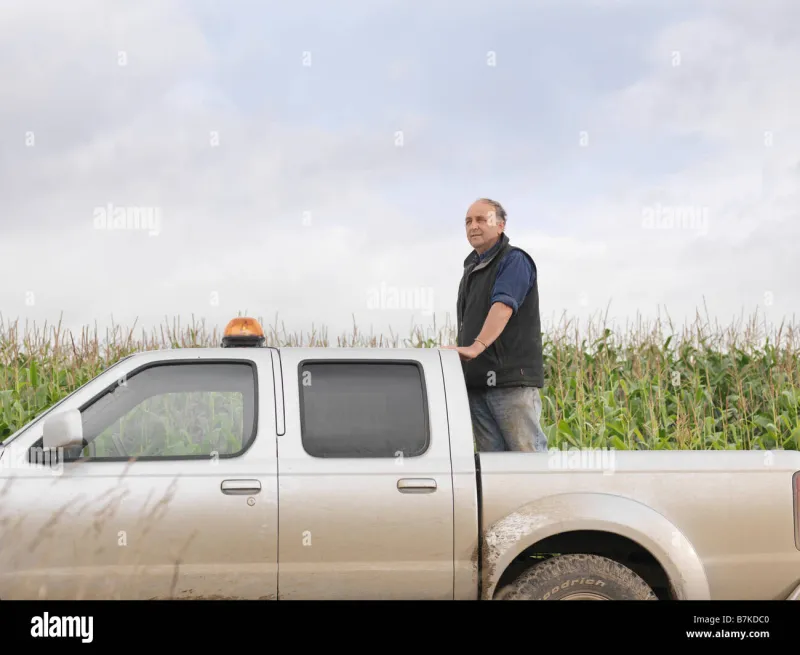
Photo: rural tradesperson work truck country road solo small business owner, via c8.alamy.com
Every rural solopreneur knows the paradox: the customer base is spread out, but the competition is even thinner. A bookkeeper in a town of 900 can realistically serve clients across an entire corner of the state — if she can figure out how to get to them without burning her margin on the dashboard.
The old model was simple: drive wherever the job is, charge what feels fair, hope it works out. The new model is more deliberate, and it's letting one-person businesses across rural America punch far above their weight.
Draw Your Circle First
Before the first client call, successful rural operators define their service radius — and stick to it. Whether it's a 40-mile circle or a five-county patchwork, the boundary matters because every mile inside it is priced into your work and every mile outside it is a favor you can't afford to keep giving.
A useful exercise: map your last twenty jobs. If most cluster within an hour's drive, that's your real market. Everything beyond it should carry a premium or a polite referral.
Route Planning Is a Rural Superpower
City businesses optimize for foot traffic. Rural businesses optimize for the calendar. That means batching.
Plumbers who schedule all of one county's calls on Tuesdays and another's on Thursdays cut windshield time dramatically. Bookkeepers who do on-site visits twice a month instead of weekly turn four round trips into one. Some solopreneurs literally plan routes like delivery drivers, stringing appointments geographically rather than chronologically.
The trick is selling the schedule to the client, not the other way around. "I'm in your area on the 14th" is an easier conversation than "I'll drive an hour whenever you call." Most clients, especially rural ones who understand distance, respect it.
Tech That Works When the Bars Don't
Here's the problem with most scheduling and invoicing software: it assumes you're online. Rural operators know better.
The tools that actually work on the road share a few traits. Offline-capable apps let you log a job in a barn with no signal and sync it later. Scheduling platforms that send clients a booking link reduce phone tag to nearly zero. And a simple habit — batching admin work at home on reliable internet rather than in the truck — keeps the mobile part of the business mobile.
Some operators go further, using voicemail-to-text and automated reminders so a missed call in a dead zone doesn't mean a lost job.
Pricing the Drive Without Losing the Neighbor
The hardest question in rural service work: how do you charge for travel without feeling like you're nickel-and-diming the community you grew up in?
The operators who've solved it tend to use one of three approaches:
- Build it into the rate. A single transparent price that averages travel across your radius. Simple, no awkward math at the kitchen table.
- Zone it. Free within town, a flat trip charge beyond a certain line. Clients understand zones; they grew up with them.
- Minimum job size at distance. Nearby small jobs are fine; far-flung ones need to be worth the trip.
What doesn't work is hiding travel in the price and quietly resenting every far client. Neighbors can tell. And in a small community, resentment travels faster than your truck.
The Roster Compounds
The quiet advantage of the radius model is that it builds on itself. Serve one farm family well and they'll mention you at the co-op. Fix one storefront's books and three others on the same street call by spring. In a five-county territory, word of mouth isn't a marketing channel — it's the whole engine.
The solopreneurs thriving under this model aren't working more hours than their city counterparts. They're just spending fewer of them staring at taillights, and more of them doing the actual work — which, in rural America, has always been the part people will pay for.