Wrenches Over Diplomas: How Trade Schools Are Saving Rural Main Street
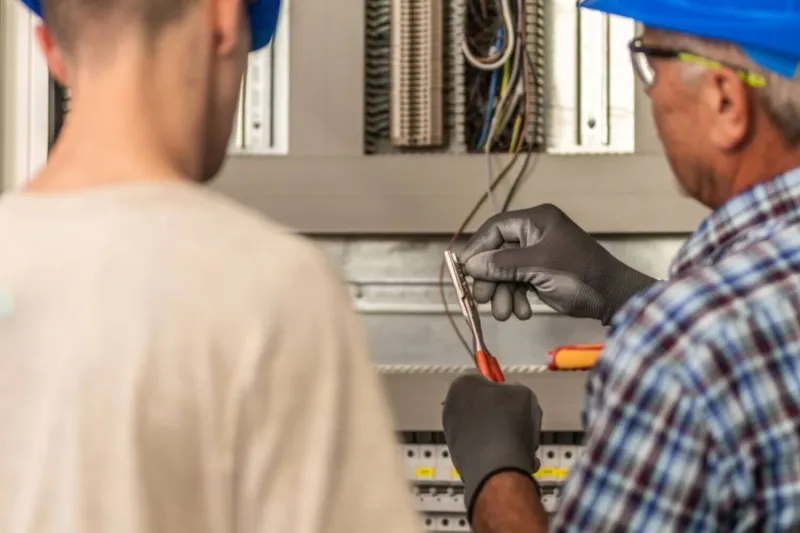
Photo: young electrician apprentice working in rural small town workshop, via cdn.prod.website-files.com
Try getting an electrician to your farmhouse in under two weeks. In plenty of rural counties across the country, that's not a complaint — it's just Tuesday. The wait times are real, the shortages are real, and the reasons behind them have been quietly piling up for decades.
While the national conversation about workforce development tends to center on tech jobs and college enrollment rates, rural America has been wrestling with a much more immediate crisis: not enough people who know how to fix a furnace, wire a breaker box, or replace a water heater. And the gap is widening.
The Hole Nobody Wanted to Talk About
For the better part of thirty years, rural school districts funneled their best and brightest toward four-year universities. Guidance counselors steered students toward bachelor's degrees. Shop classes got cut. Vocational programs lost funding. The message — spoken or not — was clear: a diploma from a trade school was a consolation prize.
The result? A generation of rural communities that are now desperately short on the workers who keep the lights on. Literally.
According to data from the National Center for Education Statistics, vocational enrollment dropped significantly in rural schools between the 1990s and 2010s. Meanwhile, the average age of a licensed electrician in the U.S. is now pushing 55. Plumbers, HVAC techs, welders — same story across the board. These aren't abstract statistics. They translate directly into longer wait times, higher service costs, and in some cases, rural residents going without essential repairs because no one's available to do the work.
Small-town business owners feel it acutely. A landlord in rural Nebraska can't find a licensed plumber for a rental property repair. A restaurant owner in rural Tennessee waits three weeks for an HVAC technician during the peak of summer. These aren't edge cases — they're the norm in communities that have quietly deprioritized the trades for a generation.
The Comeback Nobody Expected
Here's the good news: rural communities are starting to fight back, and trade schools are at the center of it.
Community colleges and technical institutes in states like Iowa, Kentucky, and Montana have seen enrollment in skilled trades programs tick upward in recent years. Some rural high schools are bringing back vocational tracks — rebranded as Career and Technical Education (CTE) programs — and partnering with local businesses to offer apprenticeship pipelines straight out of the classroom.
In Harlan County, Kentucky, a community college expanded its HVAC and electrical programs after local contractors came to them hat in hand, begging for graduates. The waiting list to get in grew almost immediately.
And it's not just younger students filling those seats. Plenty of career-changers in their 30s and 40s — people who tried the college route, landed in jobs that didn't pan out, or got laid off from manufacturing — are discovering that a 12- to 18-month trade certification can unlock a career with real earning potential and job security that most desk jobs can't match.
Six Figures Without a Student Loan Crisis
Let's talk money, because the numbers are genuinely striking.
Mike Callahan grew up in a small town in central Ohio and went straight to work after high school, eventually completing an electrician's apprenticeship through a local union program. By 35, he'd started his own electrical contracting business. Last year, his one-man operation — with two part-time helpers — cleared just over $180,000 in revenue.
"I've got guys I went to high school with who are still paying off student loans for degrees they don't use," Callahan says. "I own my truck, I set my own schedule, and I've got more work than I can handle."
His story isn't unusual. The Bureau of Labor Statistics reports median wages for electricians hovering around $61,000 nationally, but in rural markets where demand outstrips supply, independent contractors routinely earn significantly more. Plumbers and pipefitters tell a similar story. HVAC technicians who go independent — especially those willing to cover a wide service radius in underserved rural areas — can build businesses that rival what most college graduates earn.
The overhead is relatively low. The startup costs for a trades business are a fraction of what it takes to open a restaurant or a retail shop. And the demand? In rural America right now, it's essentially guaranteed.
What Communities Can Actually Do
The shift isn't going to happen on its own. Rural communities that want to close the skills gap have to be intentional about it, and a few places are showing how it's done.
Bring trades back into schools. Districts in rural Georgia and rural Wisconsin have partnered with local contractors to fund equipment, provide guest instructors, and offer paid summer apprenticeships to high school juniors and seniors. It costs money upfront, but the return — in the form of young tradespeople who actually stay in the community — is measurable.
Connect entrepreneurs with financing. Starting a trades business requires tools, a vehicle, insurance, and licensing fees. Rural development organizations and USDA programs offer small business loans and grants that many aspiring trade entrepreneurs don't know exist. Getting that information in front of the right people matters.
Stop treating vocational paths as lesser. This one's cultural, and it's harder to fix than a budget line item. But community leaders, school counselors, and parents all play a role in shifting the narrative. A licensed electrician who owns their own business is not a fallback plan — they're an entrepreneur running an essential service company.
Support regional apprenticeship programs. Some rural counties are pooling resources to create regional apprenticeship networks, where multiple small businesses share the administrative burden of running a formal program. It's a model worth replicating.
The Bigger Picture
Rural economies don't run on apps and analytics. They run on people who can fix what's broken, build what's needed, and keep the infrastructure humming. When those people aren't there, everything from housing development to small business growth hits a wall.
The college-or-bust mentality didn't just shortchange individual students — it left entire communities exposed. The good news is that the correction is already underway, driven by pragmatic entrepreneurs, forward-thinking community colleges, and rural residents who've simply run out of patience waiting for a plumber who's booked solid for the next month.
Trade schools aren't a step down. In rural America right now, they might just be the most important investment a community can make.