Your Land Is More Than a Farm: The Agritourism Playbook Rural Landowners Are Writing Right Now
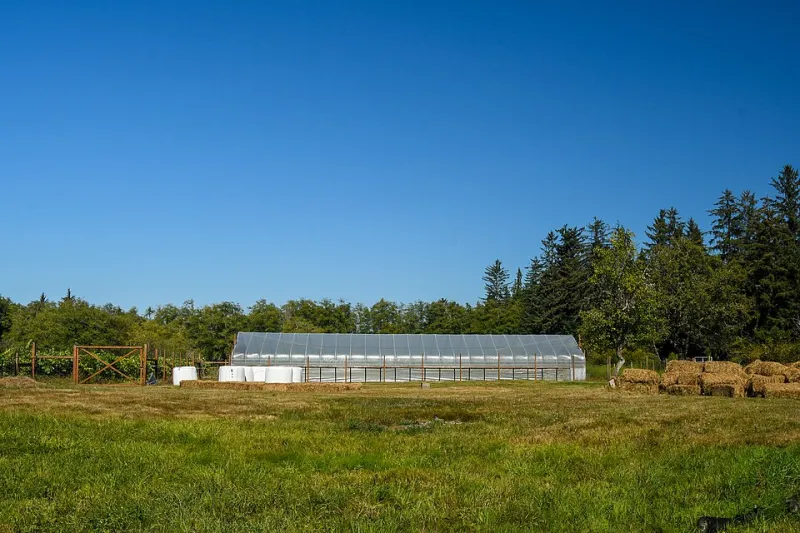
Photo: NRCS Oregon, CC BY 2.0, via Wikimedia Commons
Drive down a county road in almost any agricultural region of the country and you'll start noticing things that weren't there ten years ago. Hand-painted signs pointing toward pumpkin patches. Glamping tents nestled between rows of sunflowers. Chalkboards outside barn doors advertising "farm-to-fork dinners, every third Saturday."
Agritourism isn't a new concept—people have been visiting farms out of curiosity and nostalgia for generations. But what's happening now is different in scale, sophistication, and most importantly, in the income it's generating for rural families who are done betting everything on commodity prices and weather.
Why Now? Why This?
The timing makes a certain kind of sense. After years of city living—and especially after the pandemic reshuffled people's priorities—there's a genuine hunger among urban and suburban Americans for experiences that feel real, grounded, and a little bit slower. They want to watch a sheep get sheared. They want to pick their own blueberries and hear the story behind the farm. They want to eat dinner in a barn and watch the sun go down over a field they helped plant.
Rural landowners who can offer that experience are sitting on something valuable. The question is how to turn it into a sustainable business rather than just a busy weekend that leaves you exhausted and wondering if it was worth it.
What Actually Works
Talk to farmers who've been doing this for a few years and a clear pattern emerges: the operations that thrive are the ones that got specific.
A lavender farm in the Willamette Valley of Oregon didn't try to be everything to everyone. They picked one signature event—a lavender festival in early summer—and built their entire tourism calendar around it. Tickets sell out months in advance. The rest of the year, they sell products online and host small-group workshops. It's manageable, it's profitable, and it doesn't overwhelm a two-person operation.
Contrast that with farms that tried to launch farm stays, a corn maze, a wedding venue, a CSA pickup, and cooking classes all in the same year. Most of those stories end with burnout and a "lessons learned" conversation.
"Start with one thing you can actually do really well," says Marcus Webb, who runs a working cattle ranch in the Texas Hill Country that began offering weekend stays about four years ago. "We did ranch stays first. Got that dialed in. Then we added guided trail rides. Then a small event space. Each one was its own project that we had time to figure out before we added the next."
Webb's ranch now books out most weekends from March through November and has become a meaningful second income stream that helps buffer against the volatility of cattle prices.
The Four Seasons Problem—And How to Solve It
One of the biggest challenges in agritourism is the seasonal nature of farm life itself. Spring and fall tend to be peak visitor seasons, but summer can bring heat and harvest conflicts, and winter looks empty on the calendar.
Smart operators are finding creative ways to extend their season.
In Vermont, a small dairy farm that started with fall foliage tours has built out a winter program centered on cheesemaking workshops and snowshoe hikes. It draws a completely different demographic than their fall visitors—couples looking for a cozy weekend getaway—and keeps revenue coming in during what used to be dead months.
In the South, where winters are milder, some farms are leaning into the off-peak season by hosting outdoor farm dinners and foraging walks that simply aren't possible in the heat of summer.
The key insight is that different seasons offer different experiences, not lesser ones. Marketing them that way—leaning into what's unique about winter on a working farm, or the quiet beauty of early spring before the tourist crowds arrive—can turn a slow month into a sold-out one.
Protecting Your Operation While Opening Your Gates
Here's the tension that every agritourism operator has to navigate: your farm is a working business, and visitors can get in the way of that work. A tourist who wanders into the wrong pasture, asks questions during the busiest hour of harvest, or expects hotel-level amenities in a barn setting can turn a good idea into a headache fast.
Boundaries—physical and communicative—are essential.
"We have a very clear map of what's the guest experience and what's the farm," says Diane Hooper, who runs educational workshops on her organic vegetable farm in central Pennsylvania. "Guests never go past a certain fence line. Not because we don't trust them, but because that's where the work happens, and we can't have both things in the same space at the same time."
Beyond physical layout, insurance is a conversation no agritourism operator should put off. Standard farm policies often don't cover the liability that comes with public visitors. A rider or a separate policy specifically for agritourism activities is worth every penny—and in many states, agritourism liability protection laws exist that can limit your exposure as long as you meet certain disclosure requirements. Check with your state's department of agriculture for specifics.
The Community Angle
Something that often gets overlooked in agritourism conversations is the ripple effect on the broader community. When visitors come to a farm, they also stop at the local diner, buy gas at the corner station, and pick up jam at the feed store. A thriving farm destination can be an economic engine for the whole town around it.
Some of the most successful agritourism operations have leaned into this intentionally, partnering with neighboring farms to create a "farm trail" or a weekend itinerary that sends visitors from one operation to the next. It reduces the marketing burden on any single farm and gives visitors a richer experience than one stop can provide.
In central Missouri, a loose network of about a dozen farms started doing exactly this, sharing a single marketing calendar and cross-promoting each other's events. None of them could afford a big advertising budget on their own. Together, they've attracted visitors from St. Louis, Kansas City, and beyond.
Starting Smaller Than You Think You Should
If there's one piece of advice that comes up again and again from experienced agritourism operators, it's this: resist the urge to build something big before you know what people actually want.
Run a single workshop. Host a pop-up dinner. Open for one weekend of farm tours. See who shows up, what they respond to, and what questions they ask. That information is worth more than any business plan written at a kitchen table.
Your land already has a story. Agritourism is just finding the right way to tell it—and letting people pay to be part of it.