Borrowed Square Footage: The Rural Startup's Guide to Renting (Almost) Nothing
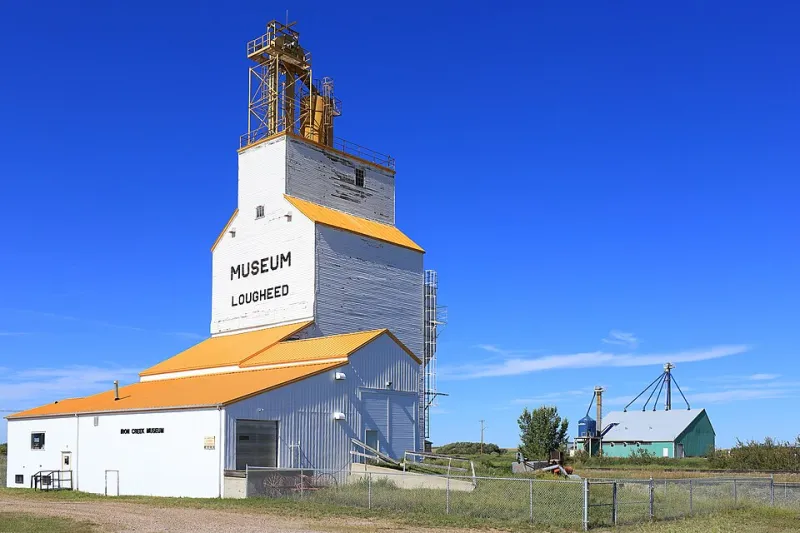
Photo: Wilson Hui from Calgary, Canada, CC BY 2.0, via Wikimedia Commons
Let's get one thing out of the way: your business does not need a $2,000-a-month office to be legitimate.
Plenty of rural entrepreneurs figured this out years ago, mostly out of necessity. What started as making do has become something of an art form — a whole unofficial network of unconventional workspaces keeping rural startups alive until they can afford the real thing.
Here's a field guide to the spaces that actually work, and how to get into them without signing a lease that sinks you.
The Grain Elevator Office
Convert a defunct grain elevator or co-op building and you get soaring ceilings, industrial bones, and rent that's often negotiated with a handshake. Towns across Kansas and the Dakotas have seen these giants reborn as studios, workshop space, and small-batch manufacturing floors.
The tip: These buildings usually belong to a co-op, a family trust, or the county. Find the actual decision-maker — often one person — and come with a plan for insurance and utilities. Nothing kills a handshake deal faster than a liability question nobody prepared for.
The Library Back Room
Your local library may offer free meeting space for a few hours a week, and some will negotiate regular use for a nominal fee. For a solo consultant or remote worker, that's an office address, reliable Wi-Fi, and free climate control.
The tip: Offer something in return. A free workshop for patrons, a small donation to the Friends of the Library, or a mention as a community partner. Librarians talk to everyone in town — being on their good side is worth more than the rent you're saving.
The Fire Hall Annex and Community Building
Many volunteer fire departments and community clubs own buildings that sit empty six days a week. Renting a corner of one — or trading space for help with events — is one of the best-kept secrets in rural real estate.
The tip: Frame it as a partnership. You get workspace; they get a few hundred bucks a month toward the truck fund and someone who can help set up the pancake breakfast. In a small town, that trade is worth more than cash.
The Church Basement
For service businesses, weekday use of church or parish halls is often available for a donation rather than rent. It's not glamorous, but it's clean, quiet, and centrally located in most small towns.
The tip: Be respectful of the church calendar and offer flexibility. The minute your operation interferes with Vacation Bible School, the deal's over.
The Empty Main Street Storefront
Every rural Main Street has one: the former drugstore with great bones and a landlord who just wants the windows not to be broken. Short-term or month-to-month deals on these spaces are more common than anyone advertises.
The tip: Offer to keep the storefront lit and presentable — a clean window display benefits the landlord and the whole block. That alone can cut your rent dramatically.
The Shared Shop
Two or three one-person businesses sharing a rented shop is the rural version of co-working. A welder, a sign maker, and a web designer splitting $600 a month on a metal building each get more space than they could afford alone — and a built-in referral network.
The tip: Put the split in writing, even if it's one page. Who pays for what, who locks up, and what happens when someone leaves. Friendships survive bad business plans better than they survive unclear utility bills.
From Borrowed to Owned
The point of borrowed square footage isn't to stay there forever. It's to keep your overhead near zero while you prove the business works. Every dollar not spent on rent is a dollar into inventory, equipment, or the first month's payment on a space with your name on the door.
Rural entrepreneurship has never been about fancy offices. It's about making the most of what's already there — and in small-town America, what's already there is usually more than enough.