Before Your Package Hits the Porch, It Passes Through a Town of 900
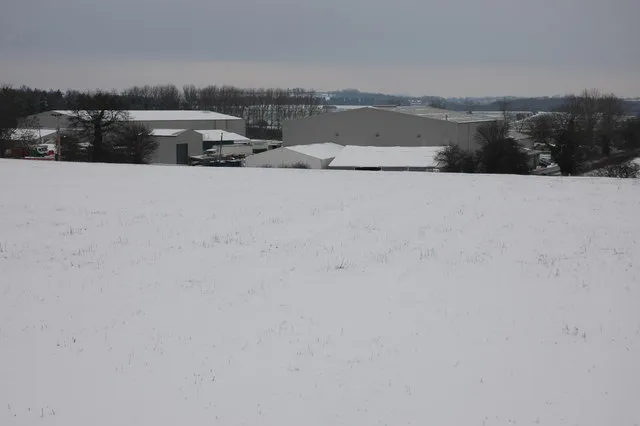
Photo: Philip Halling, CC BY-SA 2.0, via Wikimedia Commons
Somewhere outside Wauseon, Ohio, a warehouse the size of three football fields hums along at 5:30 a.m. The nearest stoplight is twenty minutes away. The nearest traffic jam? Try never.
That's exactly the point.
While coastal distribution centers battle congestion, parking shortages, and labor turnover that can top 60% a year, a quiet counter-movement is underway along the rural corridors of the Midwest, the Southeast, and the high plains. Small towns are becoming the last mile America can't live without — and the people running these operations aren't corporate giants. They're locals who saw an opportunity sitting in plain sight.
The Math That Changed Everything
For decades, rural communities watched logistics bypass them. Trucks rumbled past on the interstate without so much as slowing down.
Then two things happened at once: e-commerce exploded, and big-city logistics hit a wall.
Land in the Chicago or Dallas metro can run ten to thirty times what it costs along a rural highway interchange. Add in congestion pricing, driver shortages, and the sheer misery of navigating a box truck through downtown traffic, and suddenly that empty lot outside town starts looking like prime real estate.
"We can have a driver loaded and on the highway in eight minutes," says one Missouri freight operator whose family business grew from a single grain truck into a regional carrier with contracts from three national brands. "Try doing that in Atlanta."
What a Rural Logistics Hub Actually Looks Like
Forget the image of a mega-fulfillment center with robotic arms. Most rural logistics operations are scrappier — and more interesting.
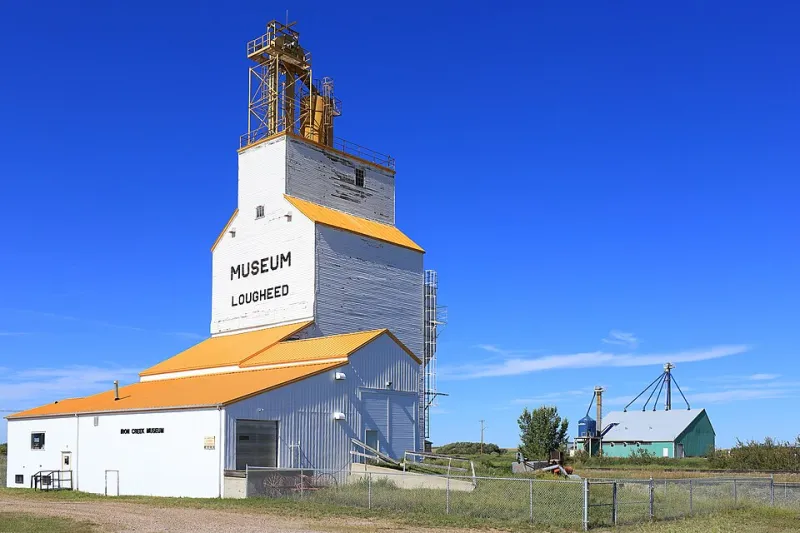
Micro-fulfillment in old ag buildings. Retired equipment dealerships, vacated feed stores, and former grain elevators are being converted into fulfillment spaces where a crew of six can pick, pack, and ship thousands of orders a week for direct-to-consumer brands.
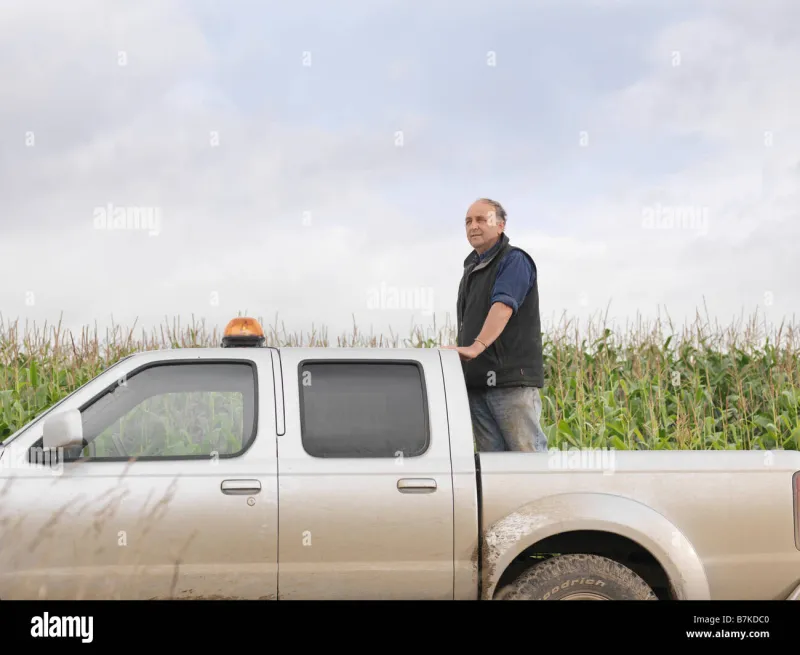
Family freight operations going regional. The trucking company that used to haul livestock and lumber now runs dedicated routes for e-commerce shippers. The equipment already existed. The relationships did too.
Cross-docking at the crossroads. Towns sitting at the junction of two highways are marketing themselves as natural transfer points — the place where a load from the port gets broken down and dispatched to a dozen metro areas within a day's drive.
The Workforce Nobody Expected
Here's the part that surprises urban logistics managers most: rural operations are keeping their people.
Workers who live ten minutes from the warehouse aren't burning an hour of their day in traffic. Many are coming from farm backgrounds, where machinery maintenance, early hours, and seasonal hustle are second nature. Turnover rates at rural distribution operations routinely run a fraction of their metro counterparts.
And when your crew includes people who've known each other since Little League, accountability works a little differently. Packages get handled like they belong to a neighbor — because sometimes they do.
How Small Towns Are Courting the Brands
Forward-thinking rural communities aren't waiting to be discovered. They're pitching.
Economic development groups in towns across Iowa, Tennessee, and Texas have started building simple pitch packages: certified shovel-ready sites, highway access data, utility capacity, and — critically — proof they can fast-track permits. Some are partnering with community colleges to guarantee a pipeline of CDL holders and warehouse techs.
The pitch to brands tired of big-city congestion is straightforward: your freight moves faster, your costs drop, and your customer two states over gets their order a day sooner.
The Ripple Effect Back Home
Every logistics job that lands in a rural county tends to spawn others. Diesel shops get contract work. Local restaurants suddenly have a lunch rush from second-shift crews. Land values near interchanges tick upward. And the tax base that funds the volunteer fire department and the school roof gets a little sturdier.
The one-stoplight town was never a weakness. In the logistics game, it might be the single greatest asset a community has — because nothing slows down a supply chain like a stoplight, and nothing speeds it up like open road and people who show up ready to work.
America's packages are increasingly taking the scenic route through rural America. The towns along that route are finally getting paid for it.