No Doctor in Town? Rural Communities Are Rewriting the Playbook on Healthcare
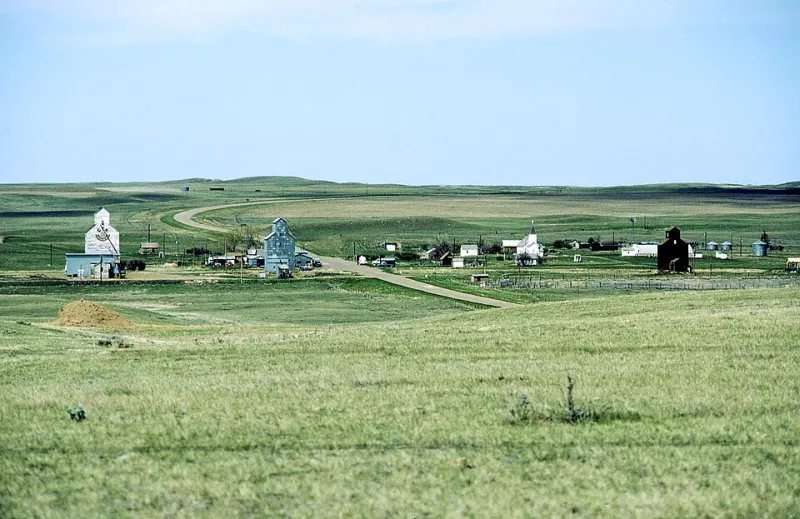
Photo: USDA NRCS Montana, Public domain, via Wikimedia Commons
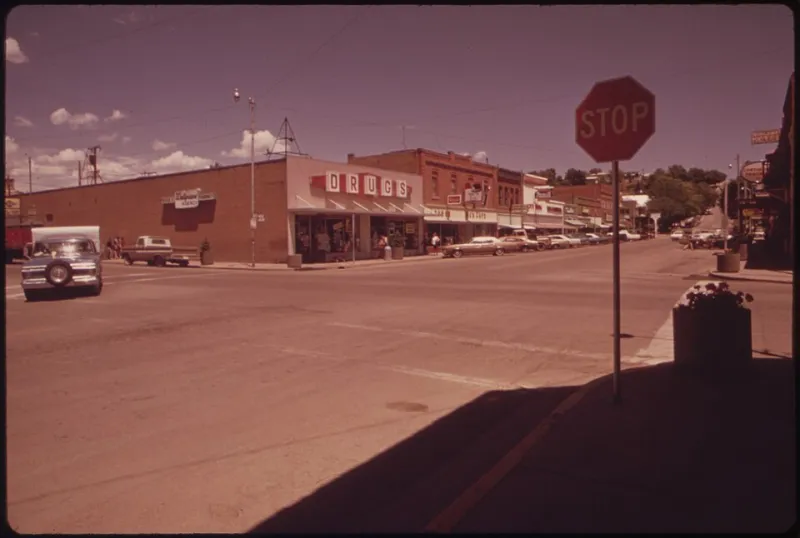
Drive through enough small towns in America and you'll start to notice a pattern. Empty storefronts, sure — but also shuttered clinics, converted urgent care offices, and hand-lettered signs pointing to the nearest hospital, which might be forty-five minutes down a two-lane highway. The rural doctor shortage isn't new news, but what is new is how some communities are refusing to just accept it.
They're not waiting on Washington. They're not hoping a hospital system swoops in to save them. They're building their own solutions — and a handful of towns are already seeing results worth talking about.
Why the Problem Got So Bad
The numbers are pretty stark. The Health Resources and Services Administration estimates that rural areas account for the majority of federally designated Health Professional Shortage Areas in the U.S. Meanwhile, rural residents tend to be older, poorer, and dealing with higher rates of chronic illness than their urban counterparts. It's a bad combination.
Part of the issue is pipeline. Medical schools are mostly located in cities. Residency programs are mostly in cities. Young doctors build their lives, their networks, and their habits in cities — and then staying in a small town feels like a sacrifice rather than a choice. Add in student loan debt that can easily top $200,000, and rural practice starts to look financially risky on top of socially isolating.
But some communities decided to start attacking those exact pressure points, one by one.
Making the Money Work
Loan forgiveness has become one of the sharpest tools in the rural recruitment toolkit. The federal National Health Service Corps program has been around for decades, offering loan repayment in exchange for service in underserved areas. But savvy communities aren't just pointing doctors toward federal programs — they're layering on local incentives to sweeten the deal.
Several rural counties in states like Kansas, Nebraska, and rural Georgia have started pooling resources through hospital districts, local foundations, and even crowdfunding campaigns to offer their own supplemental loan repayment packages. In some cases, that's meant an extra $20,000 to $30,000 on top of federal assistance — enough to genuinely tip the scales for a physician weighing their options.
The pitch to young doctors shifts when the financial math changes. It stops being "come sacrifice for our community" and starts being "come build a life here and we'll help you get out of debt faster than you would in a city practice."
Telemedicine: Not Just a Pandemic Thing
COVID pushed telemedicine into the mainstream in a hurry, but rural communities figured out something important: the technology works even better when there's a physical hub anchoring it locally.
A few forward-thinking towns have converted old clinic spaces — or even repurposed storefronts — into telemedicine centers. These aren't just rooms with a laptop. They're staffed by local nurses or medical assistants who can take vitals, draw blood, and handle basic triage, while a physician or specialist joins via video from anywhere in the country. Patients get face-to-face interaction with someone they know and trust, plus access to expertise that would otherwise require a long drive.
This hybrid model has been a quiet game-changer in places like rural Appalachia and the Great Plains. It doesn't completely replace having a doctor in town, but it dramatically expands what a community can offer without requiring a full-time physician on-site every day.
Housing: The Overlooked Piece of the Puzzle
Here's something that doesn't make the headlines as often as loan forgiveness or telemedicine: housing.
A lot of rural towns have genuinely limited housing stock — and what's available isn't always appealing to someone coming from a city residency program. Communities that have cracked the recruitment code tend to have figured this out. Some offer newly recruited physicians free or heavily subsidized housing for the first year or two. Others have worked with local builders or developers to create modern, attractive homes specifically earmarked for healthcare workers.
It sounds almost too simple, but think about it from the doctor's perspective. You're already nervous about leaving the city. You're already questioning whether small-town life is for you. If you show up and the best available rental is a run-down duplex from the 1970s, that anxiety spikes fast. But if the community has put genuine effort into making a nice home available? That signals something. It says: we thought about you. We planned for you. We want you here.
Building a Life, Not Just a Job
The communities that are winning this fight understand that recruiting a doctor isn't just a professional transaction — it's a lifestyle pitch. That means thinking about what the doctor's spouse or partner will do for work. It means making sure there are good schools if they have kids. It means introducing them to the social fabric of the town before they've even signed a contract.
Some rural hospitals and community health organizations have started assigning informal "welcome ambassadors" to physician recruits — local residents who take candidates out to dinner, introduce them around, and make sure they see the best version of the community before they decide. It's the same instinct that drives a good real estate agent, applied to healthcare recruitment.
Towns that lean into their actual strengths — outdoor recreation, tight-knit community, affordable land, lower cost of living, the ability to truly know your patients — often find a receptive audience among a specific type of physician. Not every doctor wants to be in a city. Some actively want the opposite. The trick is finding them and making sure they find you.
What Other Towns Can Steal From This
If your community is staring down a healthcare gap, a few themes emerge from the places that have made progress:
Start with relationships, not job postings. Connect with rural medicine programs at medical schools. Build relationships with students early — before they've locked in their plans.
Layer your incentives. Federal programs are a floor, not a ceiling. Local loan assistance, housing support, and community perks stack up fast.
Think about the whole person. A doctor isn't just a job slot to fill. They're someone who needs a life they actually want to live.
Invest in infrastructure. Telemedicine hubs, modern clinic spaces, and reliable broadband aren't luxuries — they're recruiting tools.
Tell your story. Rural communities often undersell themselves. If your town is a genuinely great place to live, make sure that story is getting out.
None of this is easy, and none of it happens overnight. But across rural America, communities that have treated healthcare recruitment as a community-wide project — not just a hospital HR problem — are the ones quietly turning the tide. That's worth paying attention to.