Fast Internet Arrived. Now What? Rural Entrepreneurs Are Racing to Catch Up Digitally
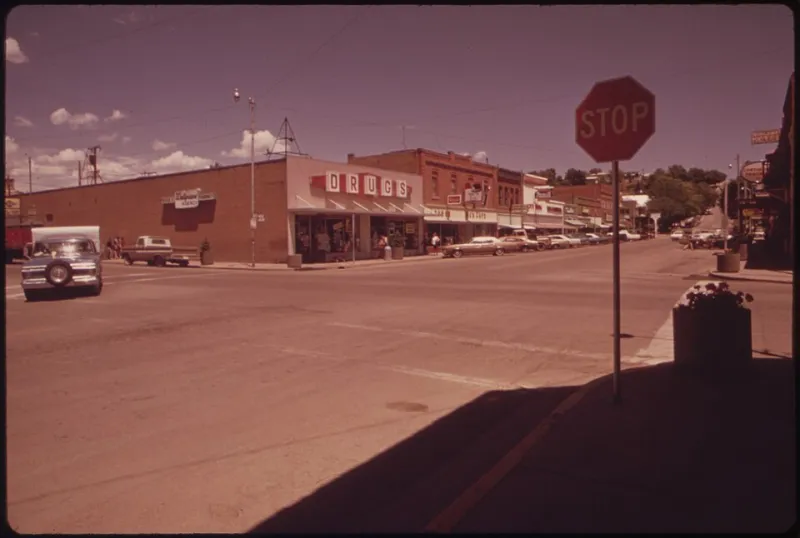
Photo: David Hiser, Public domain, via Wikimedia Commons
For years, the story in rural America was about getting connected at all. Slow speeds, dead zones, and spotty service made running any kind of online business feel like fighting with one hand tied behind your back. That story is changing — federal infrastructure investment, expanded rural broadband programs, and new provider competition have brought faster internet to millions of households and businesses that didn't have it before.
But here's the thing nobody talks about as much: having a fast connection doesn't automatically translate into knowing what to do with it.
For a lot of rural small business owners, the infrastructure problem is getting solved right as a different problem comes into focus — a digital skills gap that's very real, a little awkward to admit, and surprisingly common.
The Honest Truth About Where a Lot of Rural Businesses Are Right Now
Run a quick mental inventory of small businesses in any rural town. The hardware store that's been around since 1987. The custom taxidermy shop. The farm-to-table bakery run out of someone's home kitchen. The cattle operation that sells direct to buyers.
Now ask how many of them have a functional website, an active social media presence, or any kind of e-commerce capability. The number drops fast.
That's not a knock on rural entrepreneurs — it's a reflection of how the digital economy developed. When your customer base is local and loyal, and your internet connection made online selling impractical anyway, there wasn't a strong incentive to build those skills. But the market has shifted. Consumer habits changed dramatically during and after the pandemic. Buyers expect to find businesses online, read reviews, place orders, and communicate through digital channels. Rural businesses that can't meet those expectations are leaving money on the table.
"I knew I needed to be online, but every time I tried to figure it out, I'd get overwhelmed and go back to doing things the way I always had," admits Teresa Walcott, who runs a specialty jam and preserve business out of Tahlequah, Oklahoma. "I didn't know where to start, and I didn't feel like I could ask anyone because I thought I was the only one who didn't get it."
She wasn't. Not even close.
Free and Low-Cost Resources That Are Actually Worth Your Time
The good news is that the support infrastructure for rural digital skill-building has grown considerably — and a lot of it is free or close to it.
Small Business Development Centers (SBDCs) are one of the most underused resources in rural America. Funded through the SBA, they offer free one-on-one advising and low-cost workshops on everything from building a basic website to setting up online payment systems. Every state has a network of them, and many have started offering virtual sessions specifically to reach rural clients.
USDA Rural Development has expanded its focus on digital business literacy as part of broader rural economic development initiatives. Their local offices can often connect entrepreneurs with training programs and grants that aren't widely advertised.
Google's Grow with Google program offers free digital skills training through an accessible online platform, including courses on setting up a Google Business Profile — which is genuinely one of the highest-ROI things any local business can do and takes less than an hour to complete.
Coursera and LinkedIn Learning both offer free or low-cost courses on social media marketing, e-commerce basics, and digital advertising. They're self-paced, which matters a lot when you're also running a business and can't commit to a fixed schedule.
For those who prefer in-person learning, local libraries — yes, really — have become surprisingly strong hubs for digital literacy programming. Many are partnering with state extension services and community colleges to offer hands-on workshops.
What "Going Digital" Actually Looks Like for a Small Rural Business
It doesn't have to mean a full e-commerce website on day one. For most rural small businesses, the practical starting point is simpler than that.
A claimed and complete Google Business Profile means you show up when someone nearby searches for what you sell. A Facebook business page — even one that's just updated a couple of times a week — signals that you're active and reachable. An email list, even a small one, is a direct line to your most loyal customers that no algorithm can take away from you.
From there, the next step might be selling through an existing platform like Etsy, Shopify, or even Facebook Marketplace, rather than building a standalone website from scratch. These platforms handle a lot of the technical complexity and let you test whether online sales are worth investing more time and money into.
Walcott eventually found her footing through a virtual workshop hosted by her local SBDC. Within three months, she had an Etsy shop, a modest but growing Instagram following, and her first out-of-state wholesale inquiry. "It wasn't overnight," she says. "But once someone showed me the first step, I could figure out the next one."
The Community Angle: Learning Together Works Better
One thing rural communities do exceptionally well is share knowledge informally. That same instinct — the one that built barn-raising traditions and volunteer fire departments — applies here too.
Some rural towns have started organizing informal "digital coffee" meetups where business owners swap tips, troubleshoot each other's websites, and share what's working on social media. It's low-pressure, community-driven, and often more effective than a formal class because it's grounded in local context.
Chambers of commerce and rural economic development organizations are increasingly facilitating these kinds of peer-learning spaces. If yours isn't, it might be worth suggesting it.
The broadband gap closing is real progress — hard-won progress that rural communities fought for. But the next chapter is about making sure the people who finally have fast internet know how to use it to build something. That work is just getting started, and it's the kind of work that rural communities have always been good at: doing it together.