The Tab, the Favor, and the 6 A.M. Phone Call: How Rural Customer Service Really Works
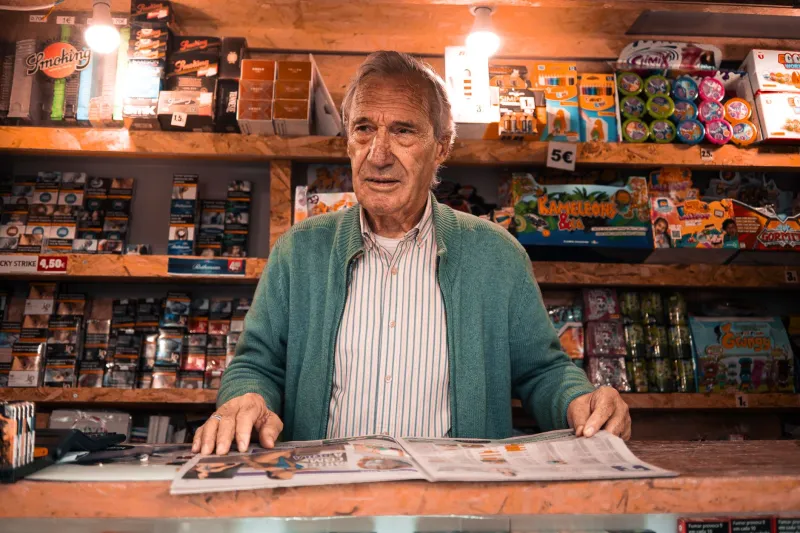
The hardware store in my hometown opened at 7, but everybody knew that wasn't really true. If your well pump died at 5:30 in the morning, you called Dale at home. He'd grumble, drive down in his truck, and open the store early. Nobody called it customer service. It was just Dale.
That's the invisible infrastructure of rural commerce — and it's worth understanding, because it's simultaneously the greatest competitive advantage small-town businesses have and the quiet reason so many owners end up exhausted.
The Running Tab: Trust as a Business Model
In much of rural America, the tab is still alive. Farmers settle up after harvest. Families pay the feed store when the check from the sale barn clears. It's a system built on something national chains literally cannot replicate: total social accountability in a closed community.
And here's the thing — it mostly works. Studies of rural credit relationships have long shown default rates on store tabs that would surprise any urban lender. When the whole town knows who pays and who doesn't, reputation does the work of a collections department.
But tabs carry weight too. Owners become informal banks, absorbing timing risk and the awkwardness of chasing neighbors for money. The ones who survive set quiet boundaries: tabs for regulars, settlement dates that match the agricultural calendar, and a gentle consistency that keeps the system from curdling into resentment.
Open When You're Needed
Rural business hours have always been more suggestion than rule. The diner that stays open late during harvest. The pharmacy that delivers. The mechanic who answers on a Sunday because a family is stranded with a loaded stock trailer.
This flexibility is loyalty gold. Customers repay it with decades of patronage and fierce word-of-mouth — the kind of marketing no ad budget buys. When a chain opens at the edge of town with standardized hours and a returns policy, it can undercut prices, but it can't be Dale.
The Burnout Nobody Posts About
Now the honest part: the same norms that create loyalty can quietly hollow out the people providing it.
When your phone is your business line and your business line is your phone, there is no closing time. When favors are the currency, it becomes nearly impossible to say no — because in a small town, the person asking you for a favor today is the one deciding whether to recommend you tomorrow. Many rural owners work 70-hour weeks and can't name the last time they took a real vacation, all while the town assumes they're living the dream.
The healthiest operations have learned to ritualize the boundary without breaking the culture:
- Published exceptions instead of infinite availability. "Harvest hours: open till 8 through October" channels the flexibility into something sustainable — and turns it into marketing.
- Paid on-call arrangements. Some rural veterinarians and repair shops now charge an after-hours fee, and customers have largely accepted it as fair. Naming the cost of the favor protects both sides.
- The partner handoff. Spouses, employees, or neighboring business owners covering for each other so someone, somewhere, gets a Saturday off.
What the Chains Can't Copy
There's a lesson here for anyone doing business in rural America, whether you grew up there or just moved in with a broadband connection. The rules of engagement aren't on a corporate policy binder. They're relational: be useful, be consistent, be known — and know when generosity needs a price tag.
The tab, the favor, the 6 a.m. call — these aren't relics. They're rural America's original customer loyalty program. The trick, for the folks running it, is making sure the program pays them back too.